net voor advent de eerste poedersneeuw vanmorgen
feest op de europesche waterscheiding, die loopt door het hoge Fichtelgebirge op 7-800 m.
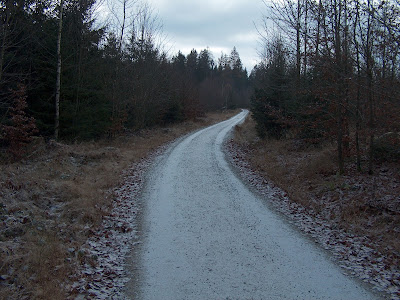
net voor advent de eerste poedersneeuw vanmorgen
feest op de europesche waterscheiding, die loopt door het hoge Fichtelgebirge op 7-800 m.

The country is adding an amendment to its Animal Welfare Sentience Bill to recognize creatures such as octopus, crabs, squids, and lobsters along with “all other decapod crustaceans and cephalopod molluscs” as sentient creatures, according to a press release from the UK Department for Environment, Food & Rural Affairs. The bill aims to ensure animal sentience is taken into account when developing government policy, and as such could inform debates around animal rights and dietary choices.
“The science is now clear that decapods and cephalopods can feel pain and therefore it is only right they are covered by this vital piece of legislation,” Animal Welfare Minister Lord Zac Goldsmith said in the release.
It’s worth noting that the release stressed that no existing marine industry operations and practices will be impacted by the law, as it only influences future government decisions. However, it’s still good to see that a major world government is taking concrete steps to finally recognize the sentience of the critters — and how they might not appreciate, you know, being boiled alive for their delicious meat.
Desinformatie staat centraal in rapport over toekomst journalistiek |
 De homepage van de scenariostudie Journalistiek 2035 |
Desinformatie en vertrouwen in het nieuws zijn prominente onderwerpen in een onderzoek over de toekomst van de journalistiek. In de scenariostudie Journalistiek 2035 schetst Van de Bunt Adviseurs, in opdracht van het Stimuleringsfonds voor de Journalistiek, vier toekomstbeelden van de Nederlandse samenleving in 2035. Meer dan 60 experts, opleiders van journalisten en andere betrokkenen droegen in online sessies ideeën aan waaruit de samenstellers trends destilleerden. Bovenaan het lijstje ‘impactvolle en zekere trends’ staat: ‘Mis- en desinformatiecampagnes nemen in aantal, ernst en omvang toe.’ Als belangrijkste onzekere factoren voor de toekomst noemen de auteurs de vraag hoe techbedrijven worden gereguleerd en in hoeverre burgers elkaar blijven vertrouwen. Ze voorzien vier mogelijke scenario’s.
De interactieve, futuristische website van Journalistiek 2035 is zeker een bezoekje waard. De scenario’s bevatten science-fictionelementen: zo volgt de lezer in Extremes een journalist onderweg naar een interview met de beruchte complotdenker GertJan van der Velde. Voordat hij daar arriveert, verzeilt hij in een situatie die laat zien hoe erg de samenleving gepolariseerd is, waardoor het interview ineens heel anders verloopt. Het scenario leest als een hoofdstuk van een (dystopische) roman, waaruit blijkt dat het zinloos is om de ander te overtuigen van feiten. |
To have a good understanding of fire, we must also understand air, for air and fire complement each other. Air, with its coolness, has a regulating power over fire. We find the same phenomenon within ourselves. How? We are travellers, journeying through space; to fulfil our destiny we need both heat and cold. The heat is within us in that internal boiler, complete with fuel, which we carry with us to heat us from within, for it is very cold outside, and the way is long; we need to keep this inner fire burning. As for the cold, it comes from without; it is the air which regulates the temperature. We could say that fire is love, and air is wisdom. Love is within us whereas wisdom is outside us, so that we may study it, contemplate it, and use it to regulate our inner fire. » |
Omraam Mikhael Aivanhov |


